How Licensing Rules Impact the Launch of New UK Casinos
A High Barrier to Entry
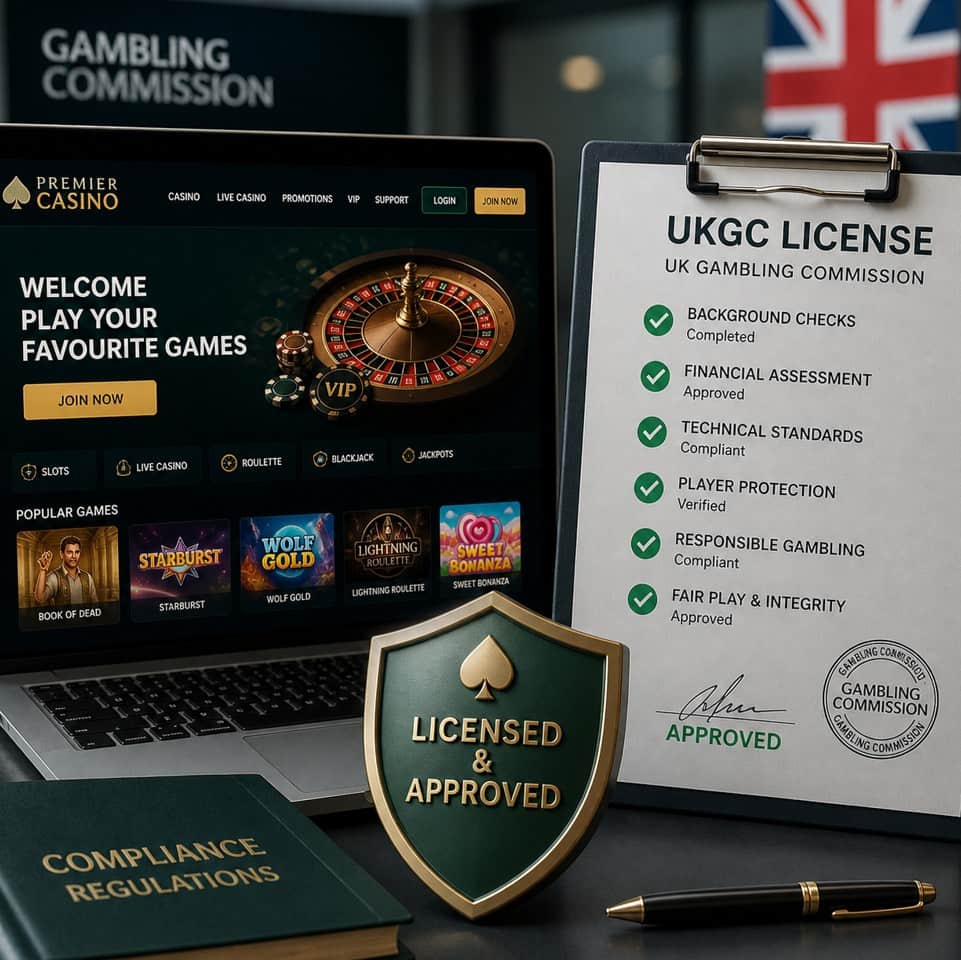
The UK is widely considered one of the most regulated gambling markets in the world. Any operator that wants to legally offer services to UK players must obtain a UKGC license. This is not a quick or simple process.
Applicants must go through:
- Detailed background checks on owners and key personnel
- Financial audits to prove stability and sustainability
- Technical assessments of the platform and games
This level of scrutiny creates a high barrier to entry. Smaller operators or startups may struggle to meet the requirements, while larger, well-funded companies are better positioned to succeed.
As a result, licensing rules shape the competitive landscape by limiting who can realistically launch a new casino.
Time to Market Is Slower
Licensing also affects how quickly a new casino can launch. Approval can take several months, depending on the application’s complexity and the operator’s preparedness.
During this time, operators must:
- Submit extensive documentation
- Respond to regulatory questions.
- Complete compliance checks
Delays are common if any part of the application is incomplete or unclear. This slows down time-to-market and requires careful planning.
For new entrants, this means launching in the UK requires a long-term commitment rather than a quick rollout.
Compliance Shapes Platform Design
Licensing rules do not just affect who can launch. They also influence how casinos are built. UK regulations require operators to include features that promote transparency and responsible gambling.
These include:
- Clear display of terms and conditions
- Tools for setting deposit and loss limits
Game design is also affected. Features that could encourage excessive play, such as misleading bonus structures or unclear odds, are restricted or banned. This means developers must design with compliance in mind from the start. The result is a more structured and transparent user experience compared to less regulated markets.
Marketing Restrictions Limit Growth Tactics
Another major impact of licensing rules is on marketing. The UK has strict gambling advertising standards, and new casinos must comply closely with them.
Operators are limited in how they:
- Promote bonuses and incentives.
- Target specific audiences
- Communicate risk and rewards.
For example, marketing cannot be misleading or present gambling as a financial solution. Promotions must clearly state all terms, including wagering requirements and conditions. These restrictions can make it harder for new casinos to attract attention quickly. Growth strategies must be more measured and compliant, rather than aggressive.
Ongoing Compliance Costs
Getting licensed is only the beginning. Maintaining a UKGC license requires ongoing compliance, which comes with high costs.
Operators must:
- Regularly audit their systems and processes.
- Train staff on compliance and responsible gambling
- Monitor player behavior for signs of harm.
There are also licensing fees and contributions to industry initiatives such as responsible gambling programs. These ongoing requirements increase operational costs. For new casinos, this can impact profitability, especially in the early stages.
Player Trust as a Competitive Advantage
While licensing creates challenges, it also provides a major benefit: trust. UK players are aware of the strict regulatory environment and often prefer licensed operators.
A UKGC license signals that a casino:
- Meets high standards of fairness and transparency
- Protects player funds
- Offers tools for safer gambling
For new casinos, this trust can be a strong differentiator. In a crowded market, being fully compliant is not just a requirement; it’s a necessity. It is part of the brand value.
Innovation Within Constraints
One concern often raised is that strict regulation can limit innovation. However, many new UK casinos have found ways to innovate within these constraints.
Instead of focusing on risky or aggressive features, operators innovate in areas such as:
- User experience and interface design
- Gamification and engagement tools
- Payment methods and speed
The challenge is to create engaging experiences while staying within regulatory boundaries. This often leads to more thoughtful and sustainable product development.
The Role of Third-Party Providers
Licensing rules also affect partnerships. Many new casinos rely on third-party providers for games, payment processing, and platform infrastructure.
These providers must also meet UK standards. As a result, operators tend to work with established, compliant partners.
This reduces risk but can limit flexibility. New casinos may have fewer options when choosing suppliers, which can influence the types of games and features they offer.
A Long-Term Market Strategy
Entering the UK market is not just about launch. It is about long-term sustainability. Licensing rules encourage operators to think beyond short-term gains.
With strict oversight and ongoing monitoring, casinos must:
- Build responsible business models.
- Focus on player retention through safe practices.
- Maintain transparency in all operations.
This creates a more stable but highly competitive environment.
The Bottom Line
Licensing rules play a central role in shaping the launch of new online casinos in the UK. They create barriers to entry, extend timelines, and influence everything from platform design to marketing strategies.
At the same time, they build trust, protect players, and encourage sustainable growth. For operators willing to meet the standards, the UK offers a well-regulated and credible market. Success in this space depends on more than just launching a platform. It requires a deep understanding of compliance, a commitment to responsible practices, and the ability to innovate within a structured framework.
Category:
Gambling & Politics