The Politics Behind High Stakes Roulette Casinos and Online Regulation
More than 2 billion people around the world gamble online each year, and roulette remains one of the most popular games for high rollers. The colorful wheel, the tension of the spin and the potential for huge wins draw players from diverse backgrounds. But behind the thrill there is another force shaping where and how people place big bets. Politics and regulation have become central to the lives of players and operators alike, especially when it comes to the best high stakes roulette casinos that serve players with deep pockets and specific expectations.
When governments decide how to regulate online gambling, their choices reach deep into the industry’s structure. Licensing regimes, tax policies and enforcement practices all determine which casinos can offer services, what protections players receive, and how fair and transparent those games are. For high stakes roulette participants, these political decisions can mean the difference between a secure room with clear rules and a risky environment with unclear safeguards. The stakes are high, literally and figuratively, when money and public policy collide.
How Regulation Shapes Where High Rollers Can Play
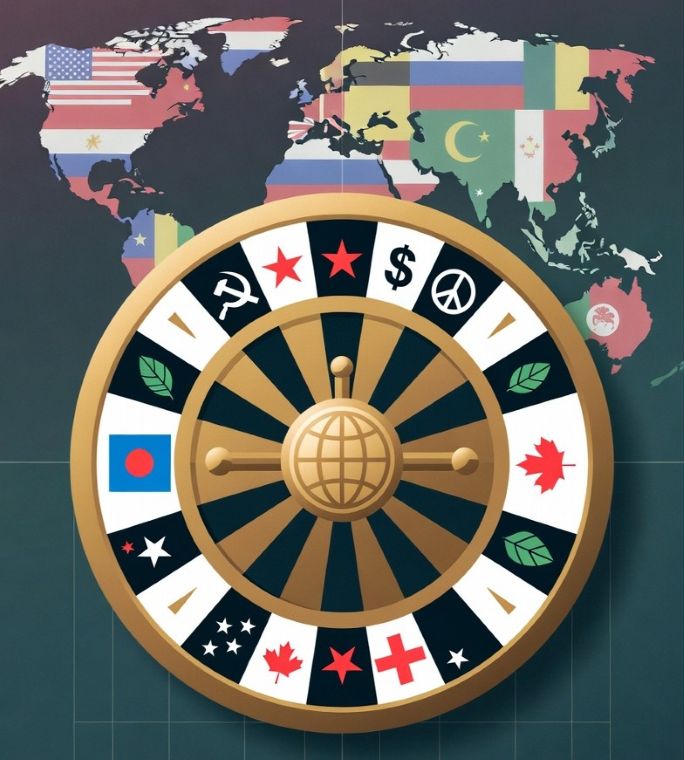
Different regions have adopted sharply different approaches to online gambling. Some, like Malta and the United Kingdom, have established detailed licensing systems that offer legal certainty and clear consumer protections. Others, such as parts of the United States, have a patchwork of state-level regulations with wildly varying standards. In a market like this, high rollers often seek jurisdictions with stable rules and established oversight. Casinos in regulated markets must meet strict criteria for fairness, auditing and data protection. These rules reassure players that the odds are transparent and that their funds are secure.
The cost of licensing and compliance also affects where operators choose to set up. In some markets, fees are high and ongoing reporting requirements can be burdensome. Smaller or less reputable operators may avoid these regions, leaving only larger brands capable of meeting regulatory demands. That dynamic tends to concentrate high stakes play in markets with robust regulation. Players who want to place large wagers generally welcome this concentration because it means their chosen platforms have been vetted and are subject to oversight.
Protection vs. Freedom: A Delicate Balance
One of the toughest political questions around online gambling is where to draw the line between protecting consumers and allowing freedom of choice. Lawmakers are under pressure from many sides. Advocacy groups point to addiction risks, fraud and money laundering as reasons for tighter controls. At the same time, businesses and many players argue that adults should have the freedom to engage in gambling with minimal interference. To understand how governments address both sides of this debate, it helps to explore discussions around governments’ role in responsible gambling, including prevention programs and regulatory frameworks. When legislators lean too far toward restriction, some players simply seek offshore options that operate outside local rules. That can undermine the very protections governments aim to enforce.
For high stakes roulette players, this tension is especially vivid. They often have the means to travel or use technologies like virtual private networks to access platforms in other regions. Politicians and regulators worry that overly stringent policies will drive activity underground or offshore, where oversight is weaker. At the same time, consumer advocates stress that high stakes play can lead to larger losses and greater harm if there are no strong safety nets. Responsible gambling measures, such as deposit limits and self-exclusion options, are less effective if operators are beyond the reach of local regulators.
Why Certain Regions Dominate the High Stakes Roulette Market
Some areas of the world have become hubs for online gambling and high stakes roulette in particular. Malta and the United Kingdom are often at the top of the list, thanks to long histories of licensing and clear legal frameworks. These markets encourage competition, transparency and innovation. They also offer players a level of trust that is hard to match. Regulators in these regions require regular audits, independent testing of random number generators, and strict anti-fraud measures. That kind of oversight attracts serious players who want reassurance that the game is fair and that their money is protected.
Contrastingly, markets with heavy restrictions or outright prohibitions tend to see less high stakes activity within their borders. Players in these regions often travel to play legally or participate through foreign platforms that may or may not adhere to strict standards. This movement of players has political implications too. Governments that ban or heavily restrict gambling miss out on tax revenues and economic activity that regulated markets capture. Some policymakers have recognized this and moved toward legalization and regulation as a way to harness economic benefits while maintaining consumer protections.
The Role of International Agreements and Enforcement
Global politics also influence how online gambling evolves. International agreements and collaborations between regulators can create more uniform standards across borders. These efforts can reduce the opportunities for shady operators to exploit weak jurisdictions. Cooperation among authorities helps in tracking money laundering, enforcing fair play and ensuring that players’ rights are upheld. When countries work together, it creates a stronger network of protections that benefits serious players and reputable casinos alike.
However, such collaboration is not always easy. Different nations have varying cultural attitudes toward gambling. Some view it as entertainment, while others see it as a moral issue. These differing perspectives can make harmonization of regulations difficult. Yet, for high stakes roulette players who value safety and fairness, the push toward international standards is a positive development. It means greater consistency in how operators are held accountable and how player disputes are resolved.
Conclusion: Why Governance Matters for High Stakes Play
Politics and public policy are central to the world of online gambling. They shape which platforms thrive, how players are protected and where high rollers choose to place their bets. For anyone interested in best high stakes roulette casinos, understanding the regulatory environment is as important as understanding the game itself. Good governance creates safer, fairer and more transparent spaces for play. As the industry continues to grow, these political debates will remain at the forefront of how online gambling evolves and who gets to benefit from it.